Every precise, natural result with facial fillers starts long before the first syringe meets the skin. Good outcomes come from a plan, not a guess. Mapping, marking, and measuring are the quiet disciplines behind confident injections, smooth contours, and predictable dermal filler results. When you see a face that looks refreshed rather than “done,” you are looking at the product of careful assessment and methodical technique, not a magic brand of dermal fillers.
I have treated thousands of faces with injectable dermal fillers, from tear trough fillers in new parents who have not slept well in a year, to structural chin fillers in professionals who spend their lives on camera. The variables change, but the framework holds: understand the anatomy you can see and the anatomy you cannot, then translate goals into millimeters and microdroplets. This article walks through how experienced dermal filler providers approach mapping, marking, and measuring across regions of the face, and why that discipline shows up in safer procedures and better-looking results.
The planning mindset: what you map before you mark
The best dermal filler treatment begins at the dermal filler consultation. A professional dermal filler specialist listens for more than the surface request. “My smile lines make me look tired” might actually be midface descent. “I want bigger lips” could be a call for structure in the philtral columns and a gentle lift Visit website of the oral commissures rather than pure volume in the vermilion. You map a face by translating concerns into vectors and landmarks.
The first map is a proportions map. You stand back two to three feet, then step close, then back again. You measure with your eyes first: facial thirds and fifths, chin projection relative to the lower lip, malar prominence relative to the lateral canthus, the Ogee curve across the cheek. Good providers compare the face at rest and in motion. Smile, pout, frown, squint. Many irregularities disappear with expression, which suggests restraint with aesthetic fillers in static lines. Some asymmetries amplify with animation, which points to targeted filler injections that support soft tissue movement without stiffening it.
You also map the tissue quality. Thick, sebaceous skin handles structure differently than thin, translucent skin. Under eye fillers behave very differently in patients with pronounced malar bags or festoons. A straight “tear trough filler” request might be redirected to cheek fillers to lift the lid-cheek junction indirectly. The safer path is often the better-looking path.
Finally, you map risk. Facial arteries and veins do not read marketing brochures. They follow patterns, but individual variation exists. You locate danger zones by palpation and visual clues. The angular artery pulses next to the side of the nose in some patients, more medially in others. The infraorbital foramen can be palpated, and its relation to nasolabial fold fillers matters. The mental foramen influences chin fillers and lower lip work. This risk map guides not just where you mark, but what plane you use, how you angle the needle or cannula, and how you sequence injections.
Tools for precise marking and measurement
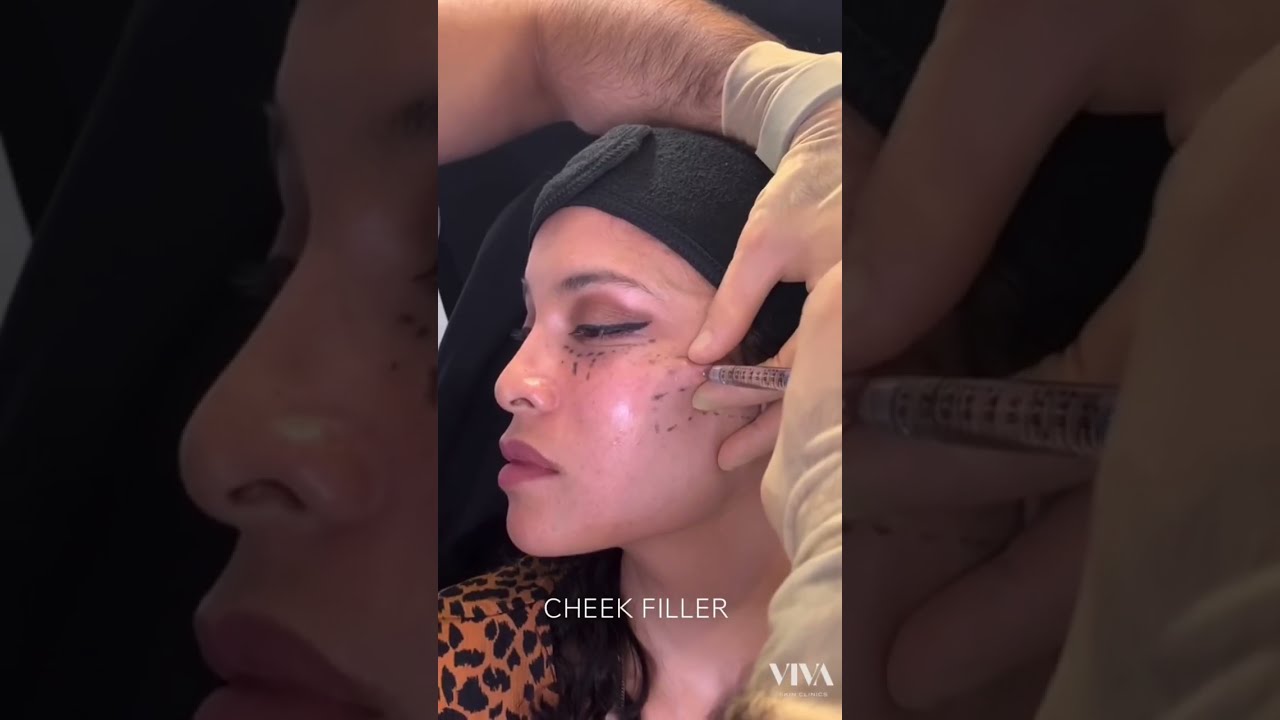
Marking pens are the obvious tools, but a proper setup uses more than ink. Calipers or soft rulers help quantify lip height, Cupid’s bow symmetry, and chin projection. A fine, skin-safe white pencil shows well on darker complexions and does not smear under antiseptic. For midface work, I sometimes use a photo overlay app that lets me draw midline, vertical canthi lines, and projected vectors, then compare before planning and after injections side by side. It keeps the dermal filler procedure honest.
Photography is not optional. Standardized, well-lit, consistent-angle photos expose asymmetries that the naked eye adapts to and forgets. I take front, oblique, and profile shots at rest, plus smiling and puckering views when lips are in play. These images guide both marking and measuring. For a patient returning for maintenance of long lasting dermal fillers, photos from the initial treatment anchor the plan, show longevity differences dermal fillers FL between areas, and help allocate syringes with purpose rather than habit.
" width="560" height="315" style="border: none;" allowfullscreen="" >
For forehead or temple work, where hair lines and skin tone can make marks hard to see, gentle surface scoring with a sterile toothpick can create faint tactile cues that survive prep solution without ink bleeding into pores. It looks low tech, but it prevents losing your map once you clean the skin.
Cannulas and needles are instruments, but in mapping they are also rulers and protractors. Needle length matters. A 13 mm needle cannot safely reach deep periosteal planes on a thick male chin; a 25 mm can, but only if you know where the tip is in three-dimensional space. Cannulas of 22G or 25G create different tactile feedback; they glide or meet resistance in ways that tell you whether you are above the SMAS or below, near an artery or in open plane. Measuring is not just numbers, it is feel.
Sterile prep without erasing the map
Good markings are useless if the prep solution wipes them away. Clean the skin first, mark on dry skin, then prep with chlorhexidine or alcohol using dabbing rather than scrubbing strokes around, not across, the key lines. If you must re-mark after prep, do it with sterile instruments and minimal pressure. When I plan a multi-area session, I stage the prep and injections by zones so I do not lose marks halfway through. For example, I will complete midface and tear troughs, then reprep for nasolabial fold fillers and marionette line fillers, then shift to lips and chin. This keeps the map legible and the sterile field tight.
Region by region: mapping the face like a topographer
Different areas demand different strategies. Even with the same hyaluronic acid fillers, a cheek apex is not a lip vermilion. Viscosity, elasticity, and cohesivity matter, but the terrain matters more.
Cheeks and midface. Most faces that read “tired” benefit from restoring malar volume and the lateral cheek first. The malar eminence sits roughly along a vertical line from the lateral canthus and a horizontal from the alar base, but individual variation is the rule. I mark the projected apex, then draw vectors for support: zygomatic arch laterally, deep medial cheek fat pad medially. I often place structural filler deep on bone in two to four microboluses of 0.1 to 0.2 mL each per side, then feather with softer gel in the subcutaneous plane if needed. If you do this well, the nasolabial fold softens before you ever touch the fold itself. This is where a patient can save on dermal filler cost, because one syringe in the right place can do the job of two in reactive sites.
Tear troughs and under eyes. Thin skin, visible vessels, and variable fat compartments make under eye fillers a high-skill area. Mapping focuses on three questions: is there true volume deficiency, is there malar edema or festoons, and is the ligamentous tether the real culprit. I palpate the orbital rim, mark the infraorbital foramen, and trace the tear trough deformity under gentle stretch. Many candidates need lateral cheek support first. When I do treat the trough, I prefer a cannula technique in the preseptal or suborbicularis plane with low G prime hyaluronic acid in tiny aliquots. Even 0.2 to 0.4 mL per side can be plenty. Measure the result a week later, not the same day. Patients appreciate that restraint when they see cleaner contours and fewer Tyndall effects.
Nasolabial folds and smile lines. The fold is a mixing zone of fixed and mobile tissue, and it is tethered by the pyriform and alar ligaments. I mark these poles, then evaluate depth at rest and in smile. If midface volume is adequate, conservative linear threading in the mid to deep dermis can smooth the fold without bulk. I rarely exceed 0.5 mL per side on a first session. Overfilling makes the midface look heavy and the lip-to-cheek transition unnatural. The best wrinkle fillers in this area are not the thickest ones; they must move.
Lips. Lip fillers provoke strong opinions because they sit in the center of the face and move constantly. I measure white lip height, red lip height, philtral column definition, Cupid’s bow width, and dental show at rest and in smile. Ratios are a guide, not a commandment. A common plan: structure first, volume second. A few threads supporting the vermilion border and philtral columns can let smaller amounts in the body of the lip produce more curl and projection. I mark asymmetries along the midline and commissures. For first-time patients, I often cap at 0.7 to 1.0 mL total, then reassess in 2 to 4 weeks. Patients who ask for “pillowy” lips quickly learn that staged filler injections for lips give you control and less swelling. As for product choice, a medium-soft hyaluronic acid designed for high mobility typically delivers the most natural-looking dermal filler results here.
Marionette lines and the chin-labial complex. The downturn at the corners of the mouth is not just a wrinkle, it is a vector toward the jowl. I mark the marionette lines, the labiomental crease, and the chin point. Many times the answer lies in the chin. Chin fillers add forward projection and vertical height, which can smooth the labiomental fold and lighten the marionettes. I prefer deep, structural placement on bone for the chin, then lighter, superficial refinement later. The mental foramen location is non-negotiable; mark it to avoid intravascular risk and nerve irritation.
Jawline and pre-jowl. Jowl shadows come from volume loss anterior and posterior to the jowl and from laxity. Mapping divides the jawline into three segments: angle, body, and chin. For angle definition, deep periosteal boluses can sharpen the line. For pre-jowl sulcus, softer gel subcutaneous placement smooths the valley without creating a shelf. The mandibular ligament often sits right where you want to fill. Respect it. A cannula gliding in the right plane will tell you when you have crossed it.
Temples. Hollow temples age a face even when the rest looks fresh. This area sits over the superficial temporal artery and branches, so mapping and palpation matter. I mark the safe corridor, then decide on deep supraperiosteal or superficial subcutaneous placement based on tissue thickness. In thin patients, deep placement with a tiny cannula reduces visible irregularities. Small volumes, 0.3 to 0.6 mL per side, often make a big difference.
Nose. Non surgical face fillers in the nose require advanced training, meticulous mapping, and a conservative plan because vascular risk is real. When performed by a dermal filler specialist who understands anatomy and uses cannula techniques with aspiration and microdroplets, dorsal smoothing and tip support can be achieved, but this is never a casual add-on to a busy day schedule.
Volumes, planes, and product choices: measuring with intent
Not all cosmetic dermal fillers behave the same. Hyaluronic acid fillers come with different rheology. High G prime products support structure in cheeks, jawline, and chin. Softer, more flexible gels suit lips and fine lines. Crosslinking technology influences swelling and longevity. Collagen stimulators and calcium-based fillers exist, but I reserve them for specific areas and only in patients who understand the slower onset and limited reversibility.
Volume is the number most patients ask about, but dose without plane is a shot in the dark. For cheeks, deep periosteal microboluses in the zygomatic region create lift efficiently. Subcutaneous fanning adds smoothness. For tear troughs, minimal volumes in deep planes work best. For lips, intramuscular and submucosal placement plus fine dermal threads at the border give shape with motion. Experienced injectors talk in tenths of a milliliter because precision matters. The difference between 0.3 and 0.6 mL per side can separate a natural lift from a puffy face.
Measuring also means timing. Some hyaluronic acid fillers attract more water over 24 to 72 hours. What looks slightly undercorrected at the end of the appointment may settle into perfect after a few days. Tell patients when to expect the true endpoint. Plan reviews at two weeks, not two days, then top up if needed. This discipline protects against overfilling and the creeping escalation that leaves faces looking same-same across a clinic’s Instagram.
Safety woven into the map
The best dermal filler procedure is the safest one that still achieves the goal. Safety protocols sound boring until you need them. Every tray should include hyaluronidase for hyaluronic acid fillers, sterile saline, cool compresses, and a plan for suspected vascular compromise. You cannot measure what you do not check. I tap capillary refill during injections and immediately after. I ask about disproportionate pain or visual changes right there, not in the post-op email.
Plane choice is a safety choice. The supraperiosteal plane is often safer for structural support in the midface than mid-dermis threading in a high-flow vascular zone. Cannulas reduce intravascular risk in many areas but are not invincible. Needles offer precision at the cost of higher risk. You choose based on anatomy and goal, not habit.
It is also safety to say no. Thin skin with malar bags and chronic under eye edema will not be saved by under eye fillers. A heavy lower face with laxity often needs skin tightening or surgery, not more syringes of soft tissue fillers. A professional dermal filler provider earns trust by redirecting or deferring, even when the dermal filler price sits on the schedule and the day is busy.
Sequencing: why order matters
Mapping is not static. You draw, inject, reassess, redraw. Sequencing can make or break a result. Lift first, line second. Support the frame, then finish the details. In practice, I almost always treat cheeks before nasolabial folds, chin before marionettes, and lateral cheek before tear troughs. When you correct the vector, the folds soften; when you anchor the chin, the mouth corners rise. Patients see more change with fewer syringes, and the results last longer because the filler sits in low-motion, high-support planes.
Another sequencing rule: start on the side with more deficit. Many faces are asymmetric. If one cheek is flatter or one brow sits lower, treat that side first. The eye and the hand calibrate to the more challenging side, which keeps the overall balance better. Stop when the face matches, not when the syringe empties.
Cost, longevity, and planning for maintenance
Patients reasonably ask about dermal filler cost and dermal filler longevity. Prices vary by region and by brand, but more importantly by plan. One large session that builds structure where it is lacking can reduce the number of chasing sessions later. A common pattern for facial dermal fillers is two to four syringes in the first visit for foundation areas, followed by a one to two syringe refinement at six to eight weeks, then maintenance every 9 to 18 months depending on metabolism, area, and product.
Lips and tear troughs often need less product but may require more frequent touch-ups. Cheeks and chin usually last longer because filler rests on bone and moves less. Brand matters, but placement matters more. A premium dermal filler in the wrong plane will look mediocre and fade faster. A standard hyaluronic acid placed correctly can outperform expectations. Set expectations clearly: temporary dermal fillers provide reversible, adjustable results, while longer-lasting options trade flexibility for duration.
What patients can expect during marking day
A well-run dermal filler clinic keeps the flow steady without rushing judgment. A typical injectable filler treatment day begins with photos and a final review of the mapped plan. I sanitize, then mark key lines: midline, pupillary line, projected cheek apex, chin point, danger zones, and vectors for cannula entry sites. Lidocaine cream or nerve blocks are used based on area and patient tolerance. Many modern aesthetic fillers include lidocaine, which eases discomfort as you go.
During injections, I narrate what I am doing in plain terms. Patients want to know if a strange pressure is normal and whether a bruise is likely. I keep cotton-tipped applicators nearby to press on small bleeders and choose points that hide bruises under natural shadows when possible. Each syringe is logged with lot numbers and brand for safety tracking and future planning.
After injections, gentle molding may be done if the product and area allow. I prefer a light touch. Over-sculpting can push gel into the wrong plane. Patients receive a simple cooling routine, sleep positioning advice for the first night, and a clear list of worrying signs that warrant immediate contact.
Here is one of the two brief lists that many patients find useful for aftercare clarity:
- Use cool, not ice-cold, compresses in 10-minute intervals for the first few hours. Skip vigorous exercise, saunas, and facials for 24 to 48 hours. Avoid pressure on treated areas, especially when sleeping. Keep the area clean, avoid makeup on needle entry points for 12 hours. Contact your provider immediately for severe pain, dusky skin color, or visual changes.
Edge cases, pitfalls, and judgment calls
Real faces come with history. Prior filler, dental work, deviated septums, acne scarring, or surgical scars all shift the map. Old hyaluronic acid can migrate. If lips feel lumpy or look off years later, dissolving with hyaluronidase before re-treating often yields better long-term results. It can feel counterintuitive to erase volume that a patient paid for, but clean planes allow precise work.
Edema-prone zones like the tear trough punish overcorrection. If a patient has chronic morning puffiness, a safer route is to target the lateral cheek with face volume fillers and leave the trough alone, or use minute amounts with a strong warning that even small volumes can retain water. In some, anti aging fillers are not the answer at all; skin treatments or surgery serve them better.
Bruising and swelling vary. Anticoagulants, supplements like fish oil and ginkgo, and intense workouts elevate risk. At consultation, review medications honestly. Patients often forget to mention “natural” products that still affect bleeding. I keep arnica gel on hand for comfort, but firm, precise technique and correct plane selection do more to reduce bruising than any topical.
Finally, know when a request is not achievable. If a patient brings a heavily filtered photo that shrinks the lower third of the face by 20 percent, I explain what is possible with non surgical facial fillers and what is not. An honest boundary prevents disappointment, refunds, and the slow drift toward unnatural results.
How clinics and providers differ, and how to choose wisely
Not every dermal filler provider works the same way, and that is healthy. Some favor cannulas almost exclusively. Others mix needles and cannulas based on area. Some love high G prime for everything, others build with structure then glaze with softer gels. What should not vary is the mapping mindset, the respect for anatomy, the attention to planes, and the willingness to stage treatments.
When choosing a dermal filler clinic, look for more than a wall of before and afters. Ask how the provider plans treatments. Do they map and mark? Do they photograph consistently? Can they explain why they chose deep versus superficial planes for your concern. Do they keep emergency protocols and hyaluronidase on site. How do they handle asymmetry, migration, and dissatisfaction. Cost matters, but the cheapest dermal filler price in town rarely aligns with the most careful technique. Real value is customized planning, safe dermal fillers matched to the job, and results that age gracefully.
The quiet craft behind natural-looking results
Cosmetic injection fillers are tools. The craft lies in reading faces, translating goals into geometry, and investing time in mapping, marking, and measuring. That discipline turns filler therapy for aging from a quick fix into a thoughtful course of facial rejuvenation fillers that respect movement, light, and proportion. It helps you avoid the trap of chasing lines and instead restore the supporting architecture that keeps features harmonious.
Over years of practice, the habit of mapping pays dividends. Complications are rarer. Syringes stretch further. Patients return not because they cannot recognize themselves, but because they look like themselves on a good day. That is the standard worth pursuing with injectable facial fillers: planned, precise, and personal.